Optimize Piston Stroke for Enhanced Engine Power & Longevity
In the intricate world of internal combustion engines, countless components work in harmony to produce the power that drives our vehicles. Yet, few elements are as fundamentally critical, or as frequently misunderstood, as the piston stroke. Known in German as Kolbenweg im Motor, this seemingly simple up-and-down motion is, in fact, the linchpin for an engine's performance, efficiency, emissions, and overall lifespan. Understanding and optimizing the piston stroke is not merely an engineer's concern; it offers a deeper appreciation for anyone interested in the heart of their machine.
At its core, the Kolbenweg im Motor, often referred to simply as "HUB" (the German term for stroke), defines the precise distance a piston travels from its lowest point (Bottom Dead Center - BDC) to its highest point (Top Dead Center - TDC) within the cylinder. This reciprocating motion is the engine's pulse, directly influencing the volume of air-fuel mixture drawn in and exhausted, the compression ratio, and ultimately, the power delivered to the crankshaft. Its optimal calibration is a testament to sophisticated automotive engineering, constantly striving for the delicate balance between raw power, fuel economy, and enduring reliability.
The Piston Stroke's Profound Impact on Engine Performance & Efficiency
The journey of the piston from BDC to TDC, and back again, is a dance with immense consequences for an engine's operational characteristics. Every millimeter of the Kolbenweg im Motor is meticulously calculated to achieve specific performance goals, making it a cornerstone of engine design.
Torque and Power Generation
The length of the piston stroke is a primary determinant of an engine's displacement and, by extension, its torque characteristics. A longer stroke typically allows for greater torque at lower RPMs, making the engine feel more "punchy" and responsive, especially in vehicles like trucks or certain performance cars where low-end grunt is prized. Conversely, a shorter stroke often enables an engine to rev higher, favoring horsepower production at elevated RPMs, a common trait in high-performance sports cars. The carefully chosen stroke length, therefore, defines the engine's inherent character, shaping how power is delivered and felt by the driver.
Fuel Efficiency and Emissions
An optimally managed piston stroke is directly linked to superior combustion efficiency. When the piston movement is precisely controlled, it ensures ideal conditions for the air-fuel mixture to ignite and burn completely. This improved combustion translates into better fuel economy, as less energy is wasted, and significantly reduced emissions, as fewer harmful byproducts are released. Engineers continuously refine the Kolbenweg im Motor in conjunction with other variables like fuel injection timing and ignition advance to minimize fuel consumption and meet stringent environmental standards. Learn more about how this crucial component drives overall engine health in our article: Piston Stroke (Hub): Essential for Engine Performance & Efficiency.
Cylinder Filling and Combustion Dynamics
The piston's movement creates the vacuum that draws the air-fuel mixture into the cylinder (intake stroke) and compresses it prior to ignition (compression stroke). The efficiency of this process, known as volumetric efficiency, is heavily influenced by the stroke length and the speed of the piston. An optimized stroke ensures maximum cylinder filling, leading to a more potent combustion event. Furthermore, the precise control of the piston's speed and position affects swirl and tumble of the air-fuel mixture, promoting a faster and more complete burn, which is vital for both power output and reducing knock.
The Critical Role of Dead Centers
The Top Dead Center (TDC) and Bottom Dead Center (BDC) are not just theoretical points; they are moments of immense engineering significance. At TDC, the piston reaches its highest point, initiating the power stroke and exhausting spent gases. At BDC, it's at its lowest, ready to draw in a fresh charge. Optimizing the areas around these dead centers is crucial. For instance, precise piston movement at TDC directly influences compression pressure, which is vital for the intensity of the combustion. Adjustments to the piston's dwell time (how long it spends near TDC or BDC) can dramatically affect the engine's breathing and combustion efficiency, showcasing the intricate relationship between motion and performance.
Engineering for Longevity: Minimizing Wear and Maximizing Durability
Beyond raw power and efficiency, the proper management of the Kolbenweg im Motor is paramount for the engine's long-term health and durability. An engine is a collection of moving parts under extreme stress, and the piston's motion plays a direct role in how those stresses are managed.
Stress and Wear Reduction
The reciprocating motion of the piston generates immense forces. Each change of direction at TDC and BDC, coupled with the immense pressure from combustion, places significant stress on the connecting rod, crankshaft, and piston pins. An optimized piston stroke design minimizes harsh acceleration and deceleration, leading to a smoother transfer of forces and reduced shock loads on critical components. This engineering precision directly translates into less wear on bearings, piston rings, and cylinder walls, extending the operational life of the entire engine. Neglecting this crucial aspect can lead to premature engine failure, highlighting why every detail of the Science of Piston Stroke: Impact on Engine Dynamics & Wear is scrutinized.
Lubrication and Cooling
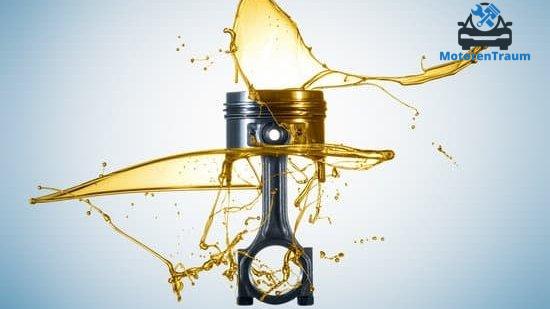
The piston's movement is inextricably linked to the engine's lubrication and cooling systems. As the piston travels along the cylinder, it relies on a thin film of oil to reduce friction and dissipate heat. The design of the piston skirt and rings, in conjunction with the stroke length, influences how effectively this oil film is maintained and how heat is transferred away from the combustion chamber. Optimized piston motion helps ensure an even distribution of lubricant and efficient heat removal, preventing localized hotspots and excessive wear that could otherwise shorten an engine's life. High-performance lubricants and advanced cooling strategies are often developed hand-in-hand with piston stroke optimization.
Material Science and Design Optimization
To withstand the rigors of millions of cycles, pistons, connecting rods, and crankshafts are crafted from advanced materials. Low-friction coatings on piston skirts, high-strength alloys for connecting rods, and specially hardened crankshafts are all chosen to complement the optimized Kolbenweg im Motor. By reducing friction and improving heat management through material innovation, engineers can further enhance an engine's durability. The shape of the piston crown itself is also optimized not just for combustion, but also to minimize thermal stress and weight, thereby reducing inertia and further preserving engine components over time.
Advanced Optimization Strategies for Kolbenweg Im Motor
Modern engine design goes far beyond simple stroke length. Engineers employ sophisticated techniques and calculations to squeeze every last drop of performance and longevity out of the piston's journey.
Calculating the Optimal Stroke
The calculation of the ideal Kolbenweg im Motor is a complex process, factoring in desired engine characteristics, target displacement, and the number of cylinders. Engineers utilize advanced simulation software to model different stroke lengths and their impact on everything from combustion pressure to component stress. This iterative process aims to find the sweet spot that balances power, efficiency, and reliability. For instance, an engine designed for high RPM racing might feature a shorter stroke (oversquare design) to reduce piston speed and allow for higher revs, while a utility engine might have a longer stroke (undersquare) for robust low-end torque. This fundamental calculation, often based on the engine's bore-to-stroke ratio, is foundational to its entire design philosophy.
Crankshaft Harmony: Position and Design
The crankshaft is the component that converts the piston's reciprocating motion into rotational energy, and its design is intrinsically linked to the piston stroke. The throws (journals) on the crankshaft dictate the exact length of the Kolbenweg im Motor. An optimally designed crankshaft not only ensures the desired stroke but also minimizes vibrations, enhances balance, and reduces internal friction. Advanced crankshaft designs, often using lightweight materials and optimized geometry, contribute significantly to both engine performance and its extended operational life by ensuring smooth, consistent piston movement.
Innovative Piston and Material Technologies
The quest for optimization is ceaseless. Modern engines often feature pistons with unique crown shapes designed to promote specific air-fuel mixture turbulence, leading to more complete and cleaner combustion. Furthermore, the use of ceramic or polymer coatings on piston skirts significantly reduces friction with the cylinder walls, thereby decreasing wear and improving efficiency. High-performance lubricants, often synthetic, are engineered to maintain their protective film under extreme temperatures and pressures, further safeguarding components throughout the piston's demanding journey. The synergy between material science, lubrication technology, and precise mechanical design allows for ever-increasing levels of power, efficiency, and durability from today's engines.
Conclusion
The Kolbenweg im Motor, or piston stroke, is far more than a simple measurement; it is the rhythmic heartbeat of any internal combustion engine, profoundly influencing its character and capabilities. From the generation of blistering horsepower to the meticulous pursuit of fuel efficiency and the unwavering commitment to engine longevity, every aspect of its design and optimization is a testament to sophisticated engineering. Appreciating the complexity behind this fundamental motion allows us to better understand the marvel that is a modern engine, a finely tuned machine where every millimeter of movement is optimized for enhanced power and enduring performance.